
Understanding Crazing
What is Crazing
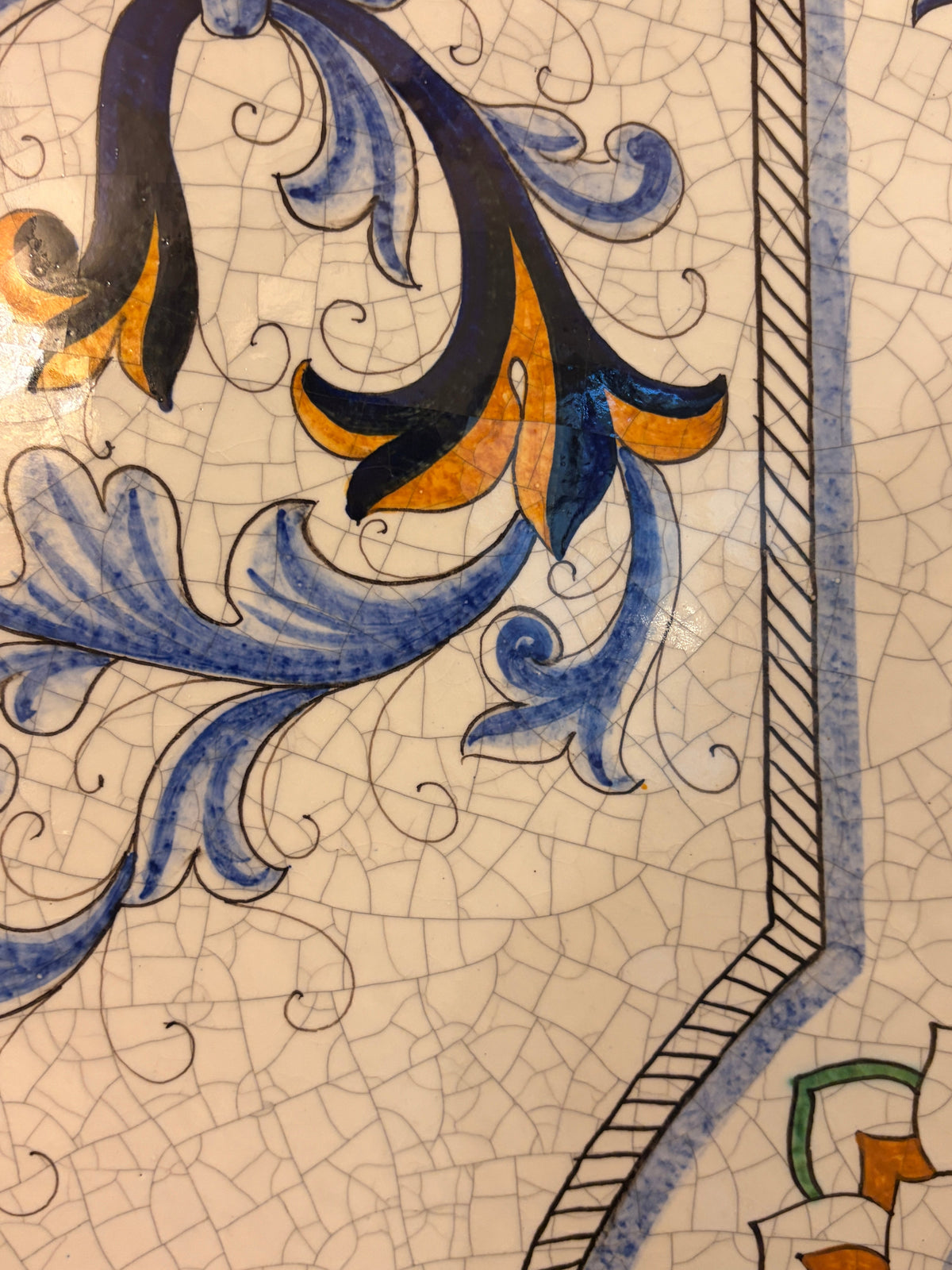
Crazing is a fine network of hairline cracks that develops within the surface of a ceramic glaze. It occurs when tensile stress within the glaze exceeds the strength of the tile body beneath it - a natural response to the way glaze and clay can move differently over time as they respond to changes in their environment.
Crazing exists entirely within the glaze layer and does not affect the structural integrity, durability or performance of the tile. It is a recognised characteristic that can occasionally occur in handmade glazed ceramic products.
About Amano & Tierra
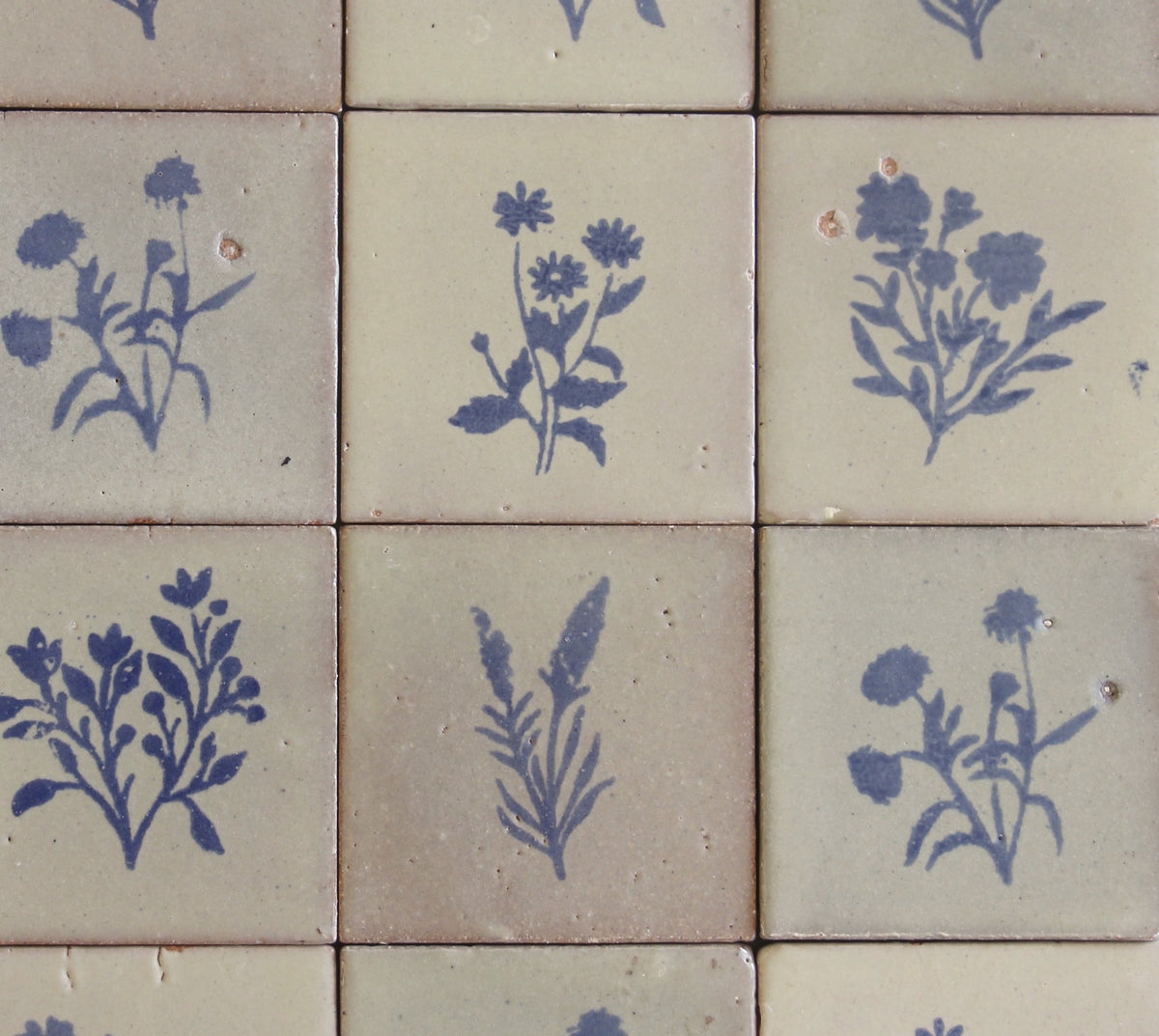
Amano and Tierra are handcrafted glazed ceramic collections made using traditional artisan techniques and natural materials.
Like all handmade ceramic products, subtle variation in colour, texture and finish forms part of its authentic character. While crazing is not a design feature of the Amano or Tierra lines, it is a recognised characteristic that can occasionally occur in handmade glazed ceramics due to the natural relationship between the glaze and ceramic body.
Although uncommon, should crazing develop, it remains within the glaze surface and does not affect the structural integrity or performance of the tile.
What Causes Crazing
Crazing can appear immediately, during firing, or emerge later in time, sometimes months after installation, as the glaze and tile body continue to respond to their surroundings. Because that response is ongoing, the timing and extent of crazing can't be predicted in advance. It depends on how the tile's environment changes over time, humidity, temperature, and use.
Crazing can develop after a tile leaves the kiln. By allowing our tiles to rest before packaging, our quality control team is able to identify and remove tiles displaying visible, excessive or premature crazing before they are packed and prepared for shipment.
This careful inspection process forms part of the Tiles of Ezra Standard - Our commitment to delivering handmade ceramic of the highest possible quality while respecting the authentic nature of artisan production.
Despite our rigorous quality control process, handmade ceramic continues to respond naturally to its environment. In rare instances, crazing may develop after our inspection process or even months after installation.
When this occurs, it is recognised as an inherent characteristic of handmade glazed ceramic rather than a manufacturing defect.
Should crazing occur, our team is always available to guide clients, designers and installers on the appropriate installation, sealing and maintenance techniques to ensure the finished project continues to perform beautifully for years to come.

Installation Tips
- Seal the tiles before & after installation. Pre-sealing acts as a grout release and is helpful for all handmade products.
- Choose a neutral colored grout that matches the cream glaze of the tile.
- Do not use a fast-curing or high-strength thinset
- Do not use a thinset bed that is too thick
- Do not backbutter, excess adhesive behind the tile may introduce unnecessary stresses during curing, which can increase the likelihood of further movement.
- Avoid exposure to temperature swings after installation
- Crazing creates more surface for dirt and moisture to reach so sealing should happen more frequently.
Design Tips
- Patina can develop over time, and crazing may increase with age as part of that same process.
- Dark grout colors are not recommended as the grout will enhance the crazing, we recommend using a grout colour to match the the glaze colour and tone. Please refer to our Article on Grout
- Handmade tiles should be sealed at a more frequent rate than machine made tiles so ensure a proper sealing schedule is conveyed.
- Amano and Tierra perform beautifully on floors when sealed properly. Periodic sealing keeps the glaze protected under regular foot traffic and helps maintain the crazing's clean, intentional appearance over time. Sealing frequency depends on usage and wear, and will vary by application.
The Tiles of Ezra Standard
At Tiles of Ezra, quality control extends well beyond the firing process.
Every tile in our Amano and Tierra Lines undergo an individual quality inspection after firing before entering a resting period of more than two weeks prior to packaging. This additional time is intentional.