

Moroccan Limestone Tile FAQ | Tiles of Ezra
Moroccan Limestone Tiles -Frequently Asked Questions
Sourced from the earth of Morocco, our Moroccan Limestone tiles offer a grounded, timeless aesthetic defined by natural tones and organic texture. Each piece is hand selected for quality and durability, making it suitable for both indoor and outdoor applications across Australia and beyond. Here, we've gathered everything you need to know - from selecting the right format and finish to installation and long-term care - so you can bring this versatile natural stone into your space with confidence.
View the Entire Moroccan Limestone Collection Here
The Material
What makes Moroccan Limestone tiles different from other natural stone tiles?
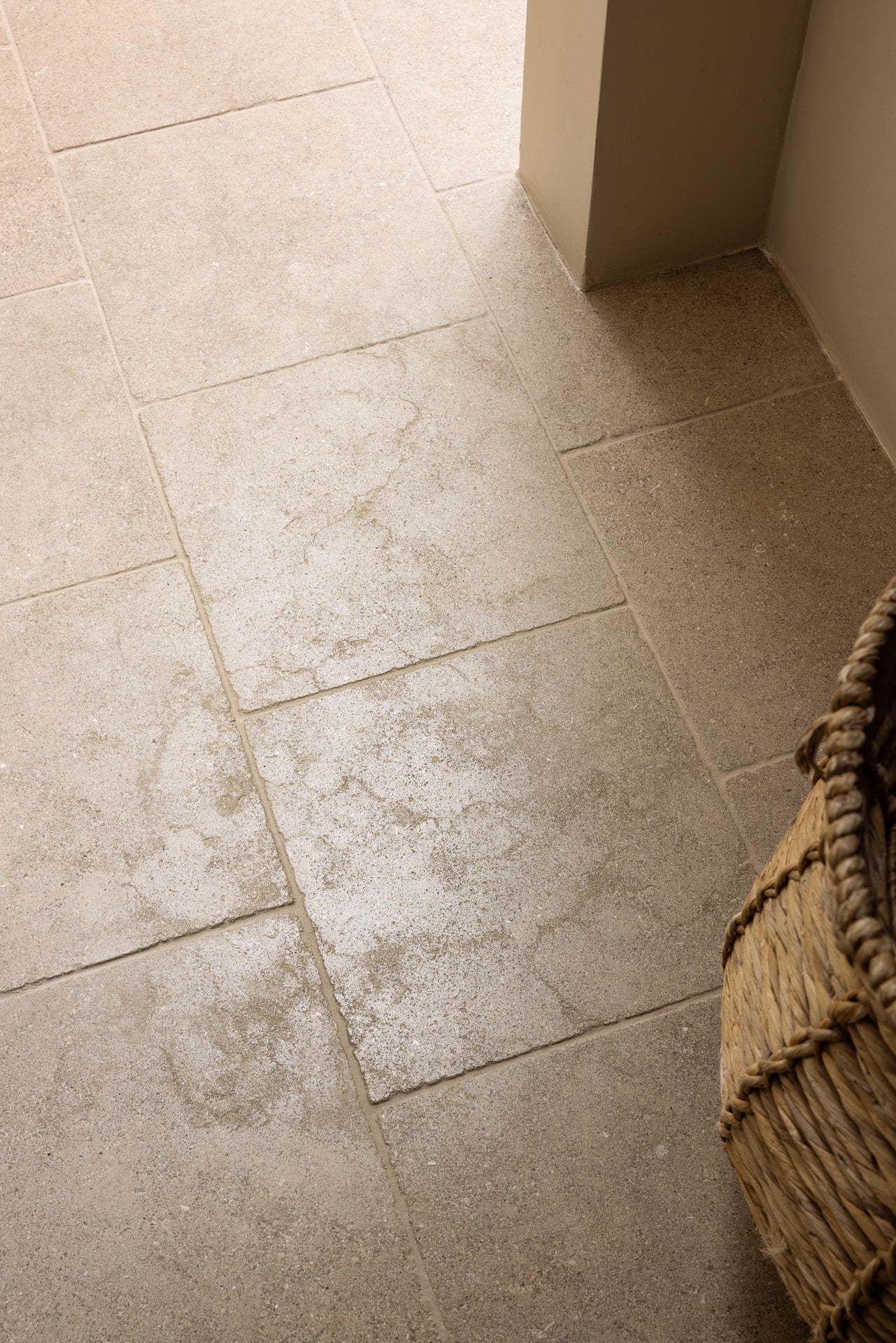
Moroccan Limestone tiles are known for their natural movement, soft tonal variation, and refined organic texture. Their unique mineral composition creates a signature veining and warm, earthy palette that many commercial limestone tiles simply can't replicate. Where other natural stone tiles can appear flat or uniform, Moroccan Limestone carries authentic variation and character - giving spaces a finish that feels both contemporary and naturally grounded.
What colours and finishes are available in the Moroccan Limestone tile range?
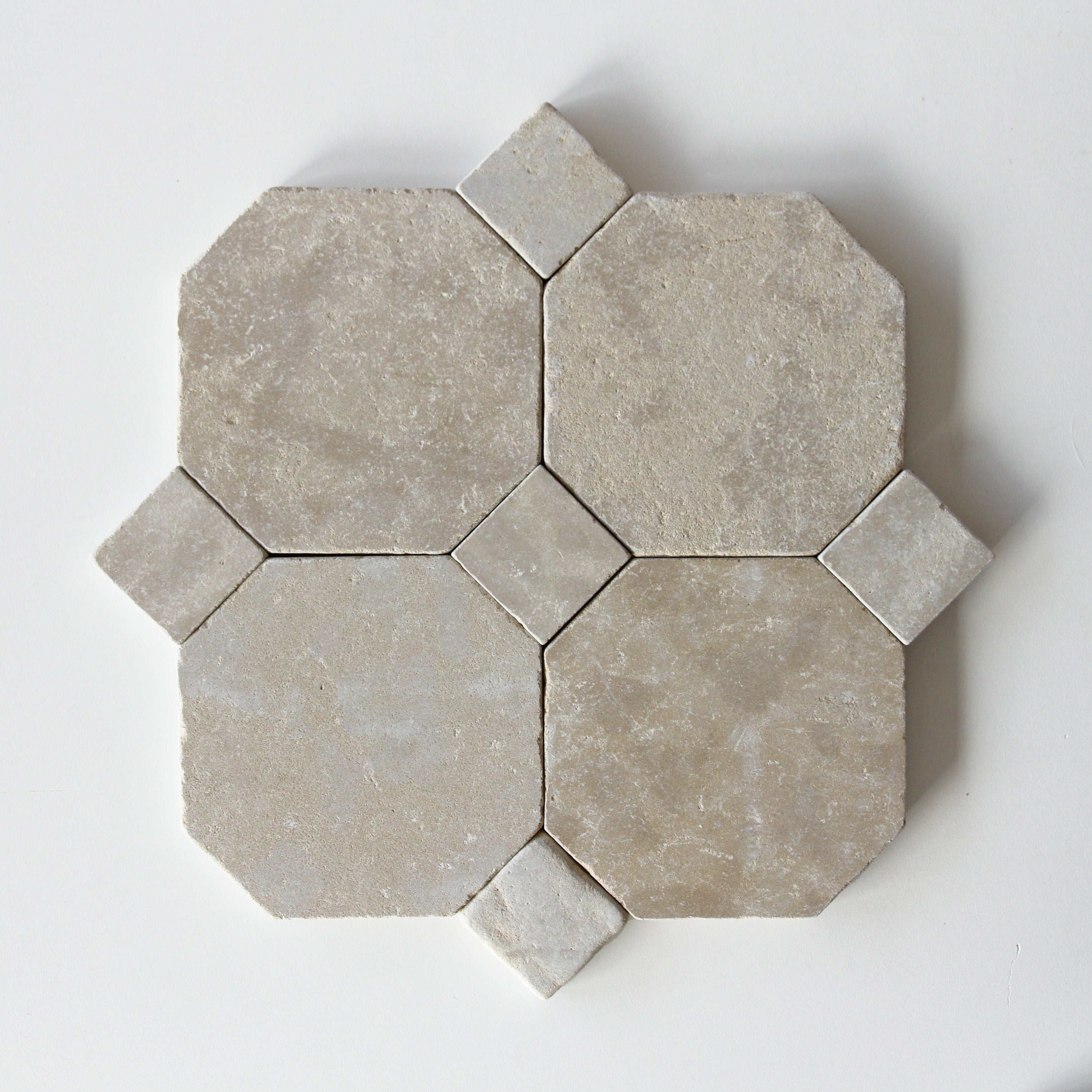
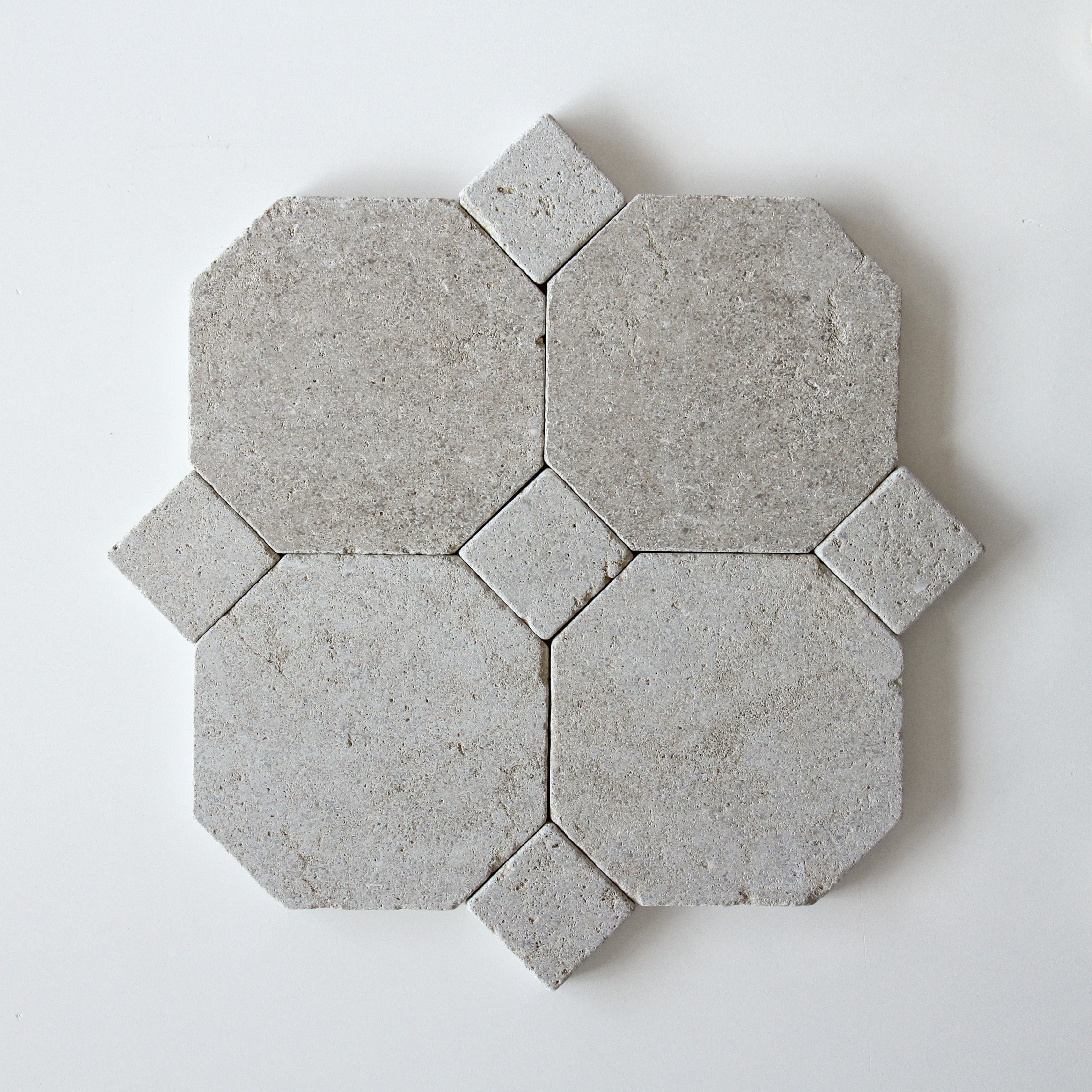
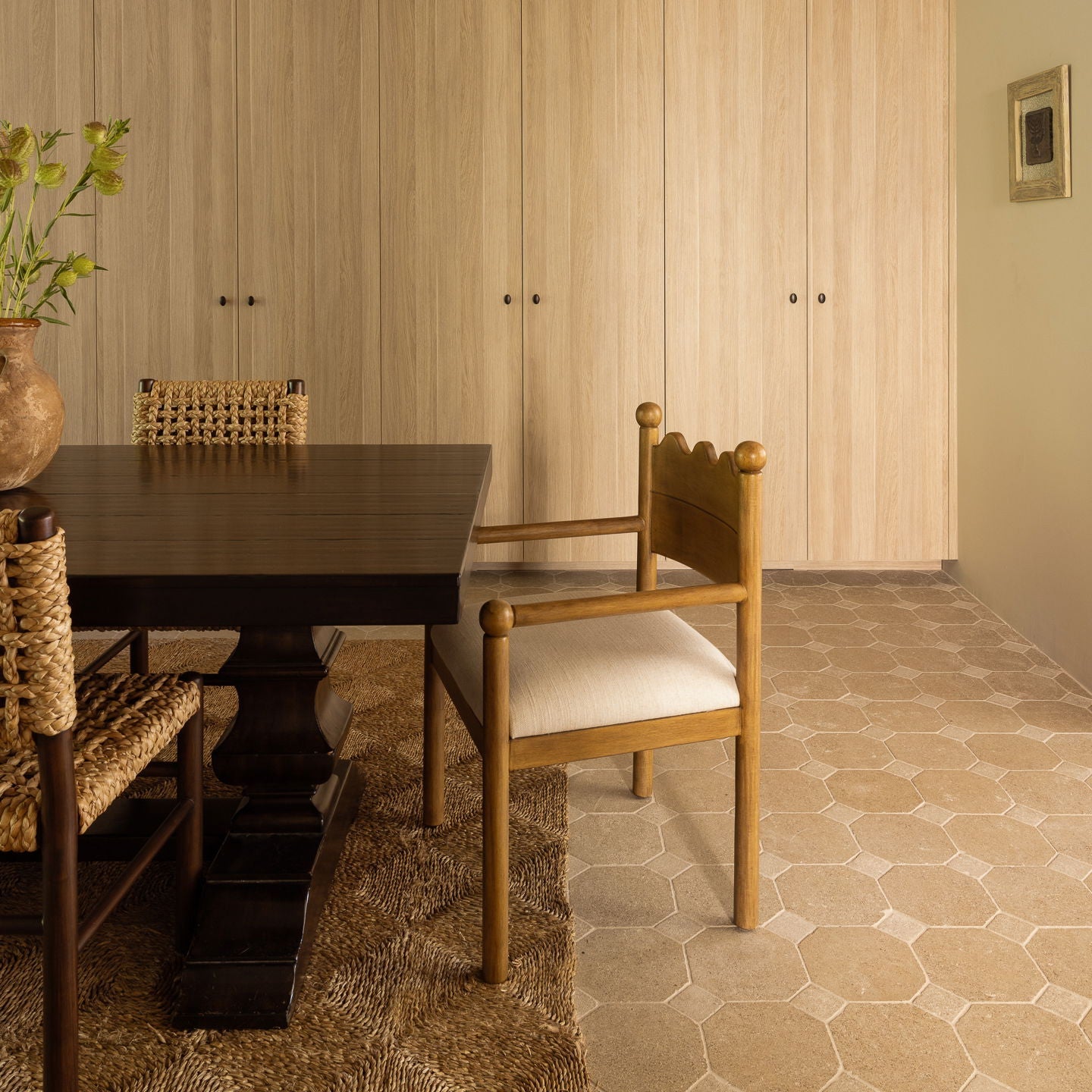
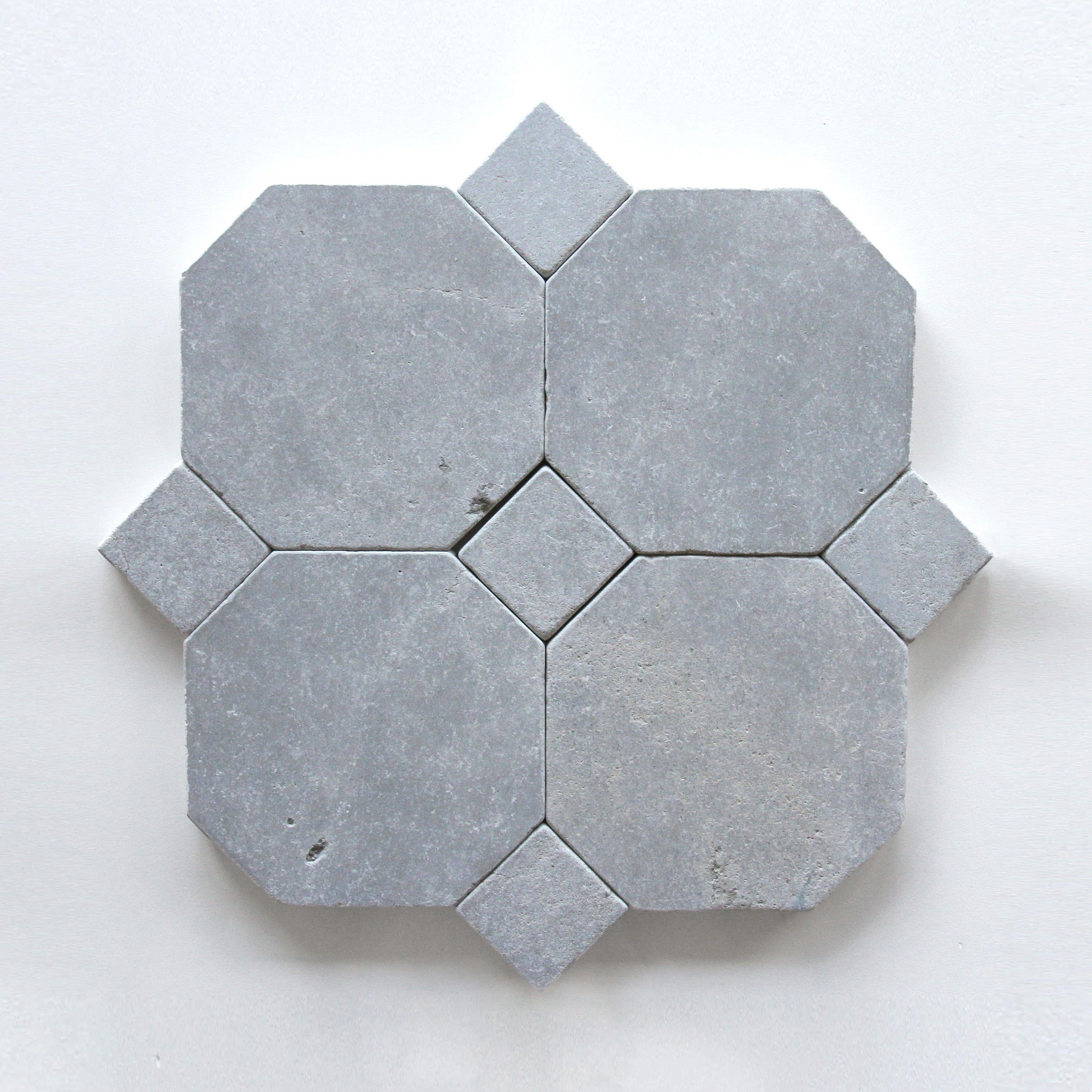
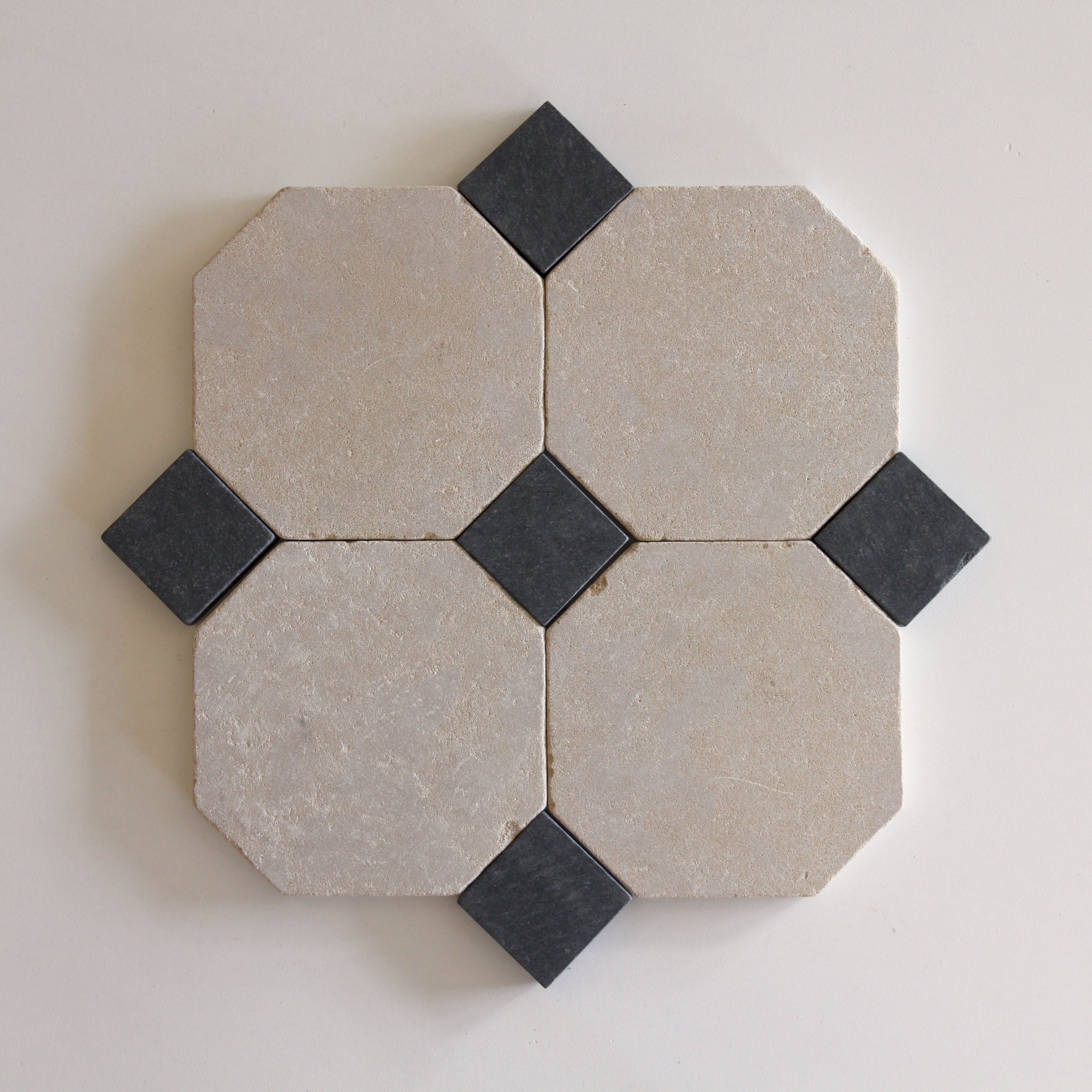
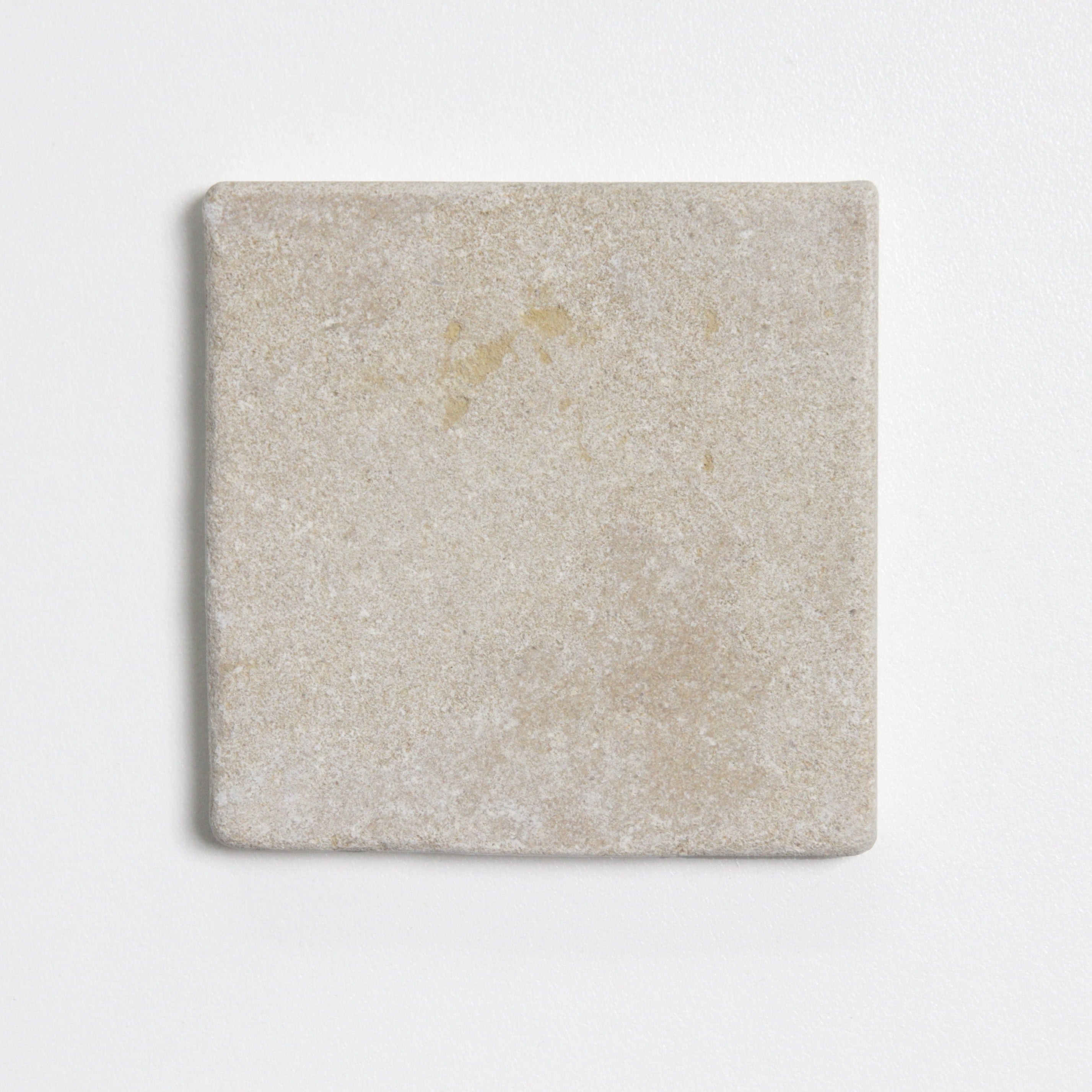
The Tiles of Ezra Moroccan Limestone tile collection features a curated range of natural, earthy tones - soft beiges, warm neutrals, and gentle greys, as well as our Black Limestone tiles, for those seeking something with more depth and contrast. All Tiles of Ezra Moroccan Limestone tiles feature a tumbled finish, designed to enhance the stone's natural character and aged aesthetic.
What is a tumbled finish on Moroccan Limestone tiles - and what should I expect from the edges?
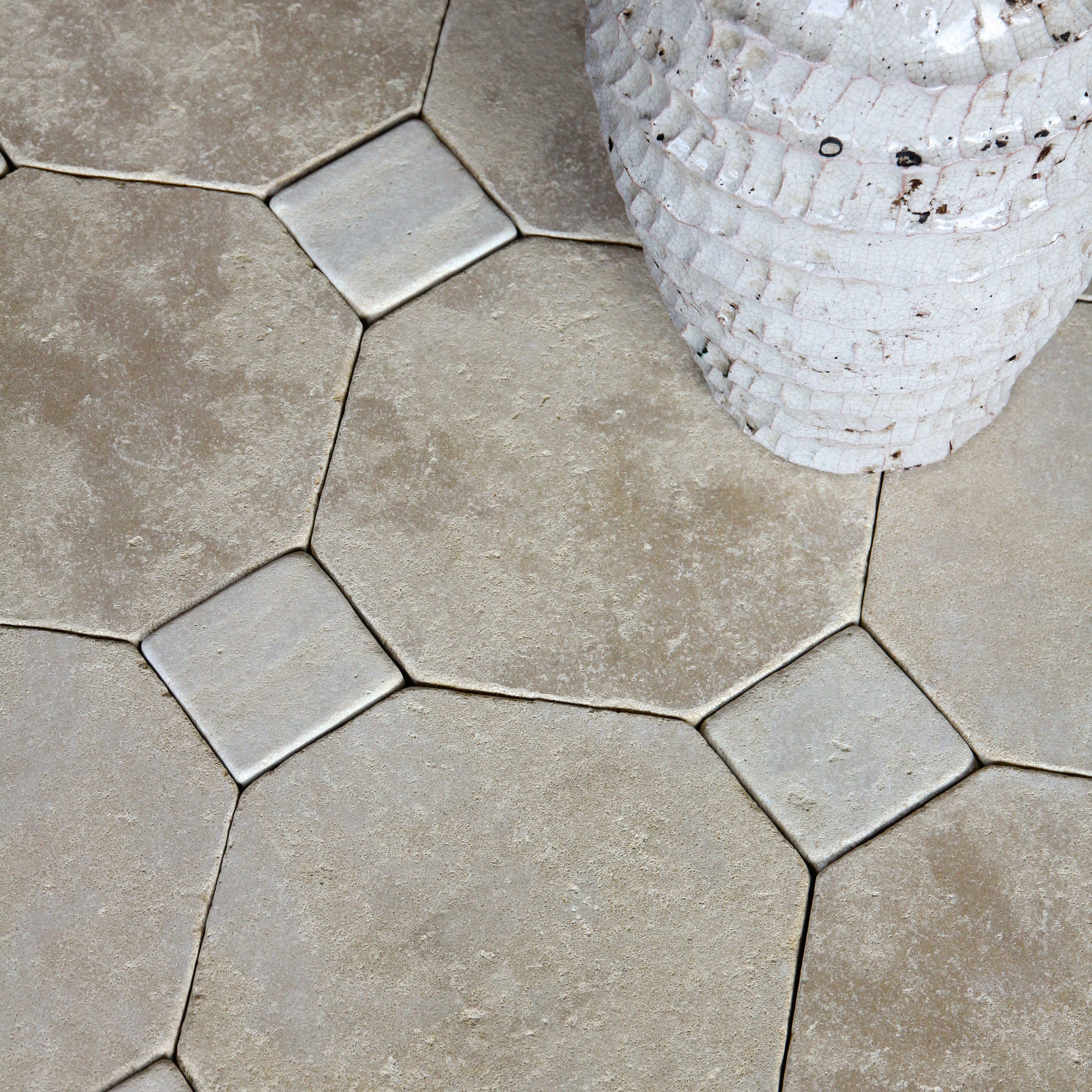
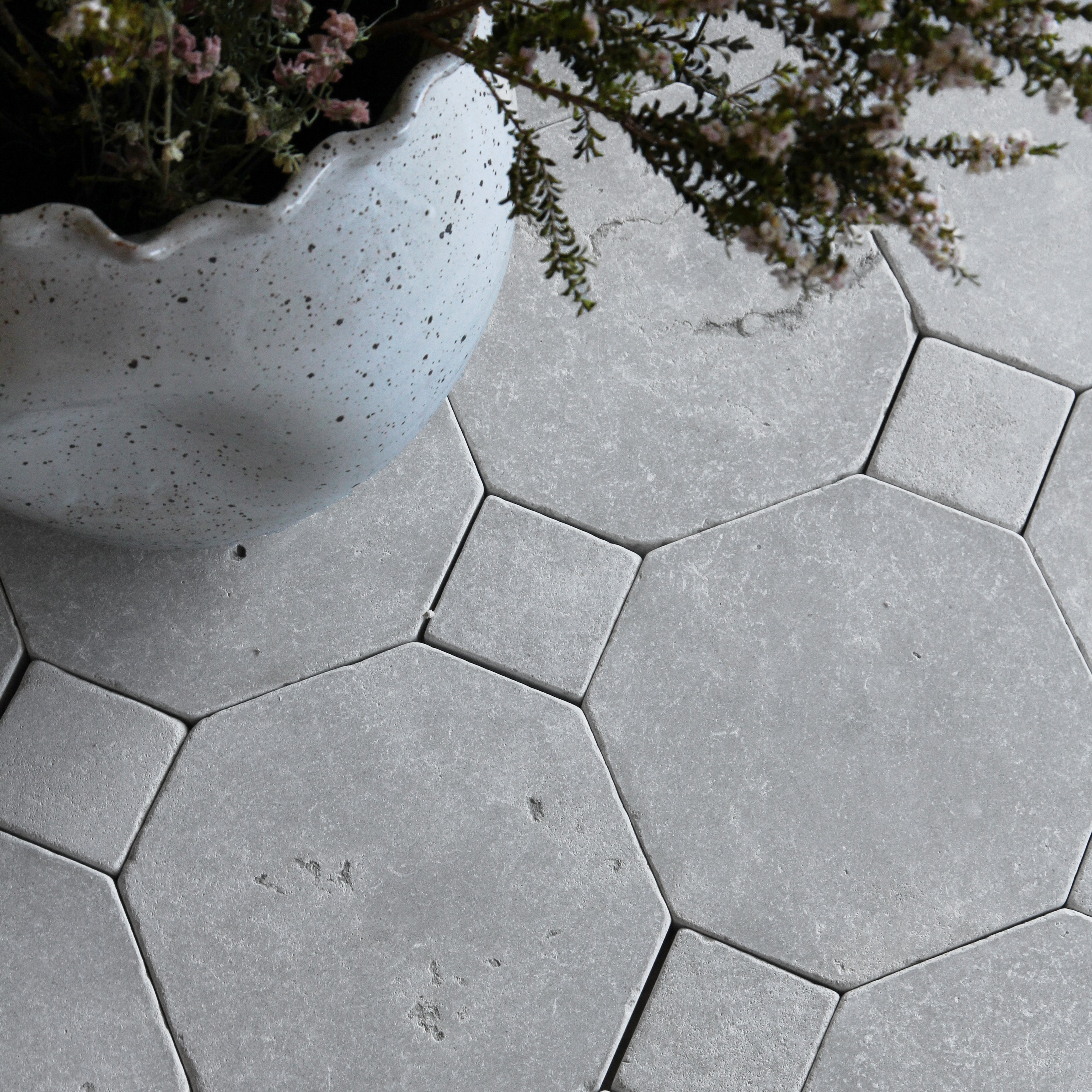
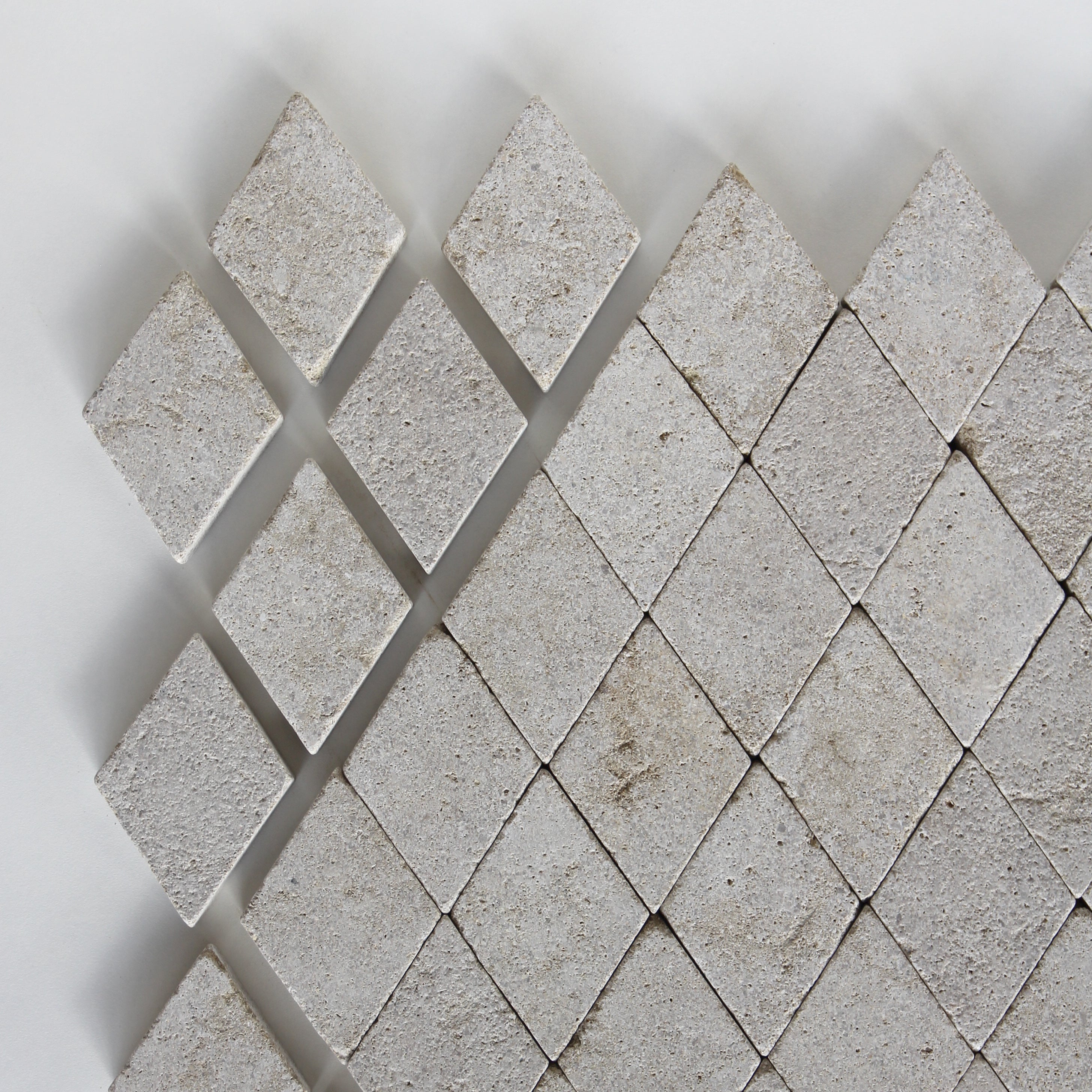
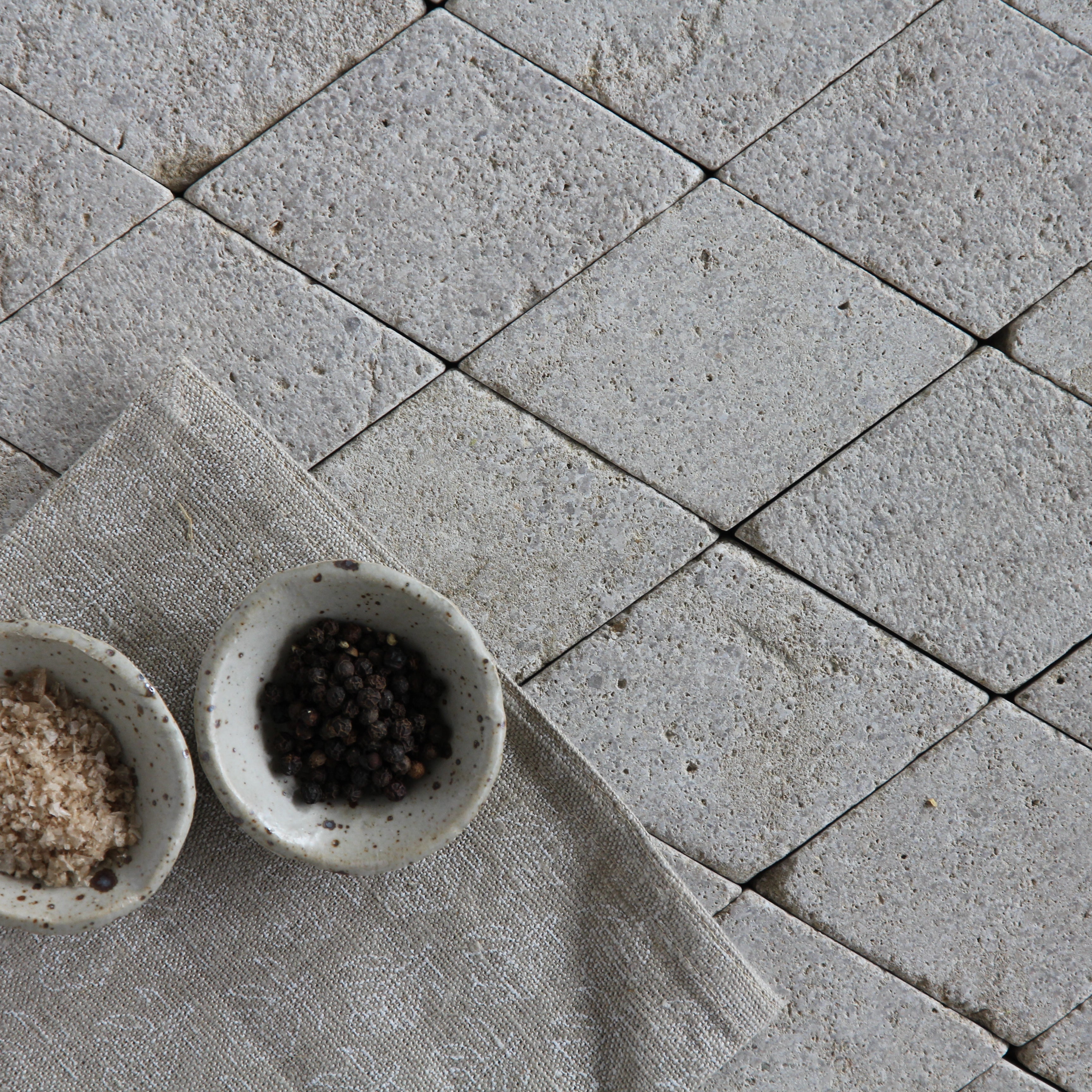
We have Specifically designed our range to have tumbled edges.After cutting, the tiles are placed into a tumbler - a rotating drum - that has thousands of other stones and rocks - that work the edges and surfaces of the stone, softening sharp cuts and creating the worn, aged quality the Tilesofezra Limestone range is known for. The result replicates the look and feel of an old limestone floor: imperfect, lived-in, and full of history.
We tumble our limestone tiles in two ways, depending on size. Larger format limestone tiles require a more intense tumbling process to effectively work their edges - which means the edging on larger pieces can be more pronounced and, in some cases, carry chips along the edge. Smaller tiles go into a gentler tumbler, producing a smoother edge overall, though chipping can still occur here too.
Every batch will carry variation within this. Some tiles will be more tumbled than others. Some edges more defined, others more worn. This is not inconsistency - it is the nature of the material and entirely by design. When installed together, this variation is what creates the aged, irregular limestone floor aesthetic the range is celebrated for and this look is a purpose feature of our Limestone range
If you are expecting a perfectly uniform, clean-edged tile, our Moroccan Limestone range is not it. If you want a floor that looks like it has always been there, it is exactly that.
How much variation in tone and veining should I expect from Moroccan Limestone tiles?
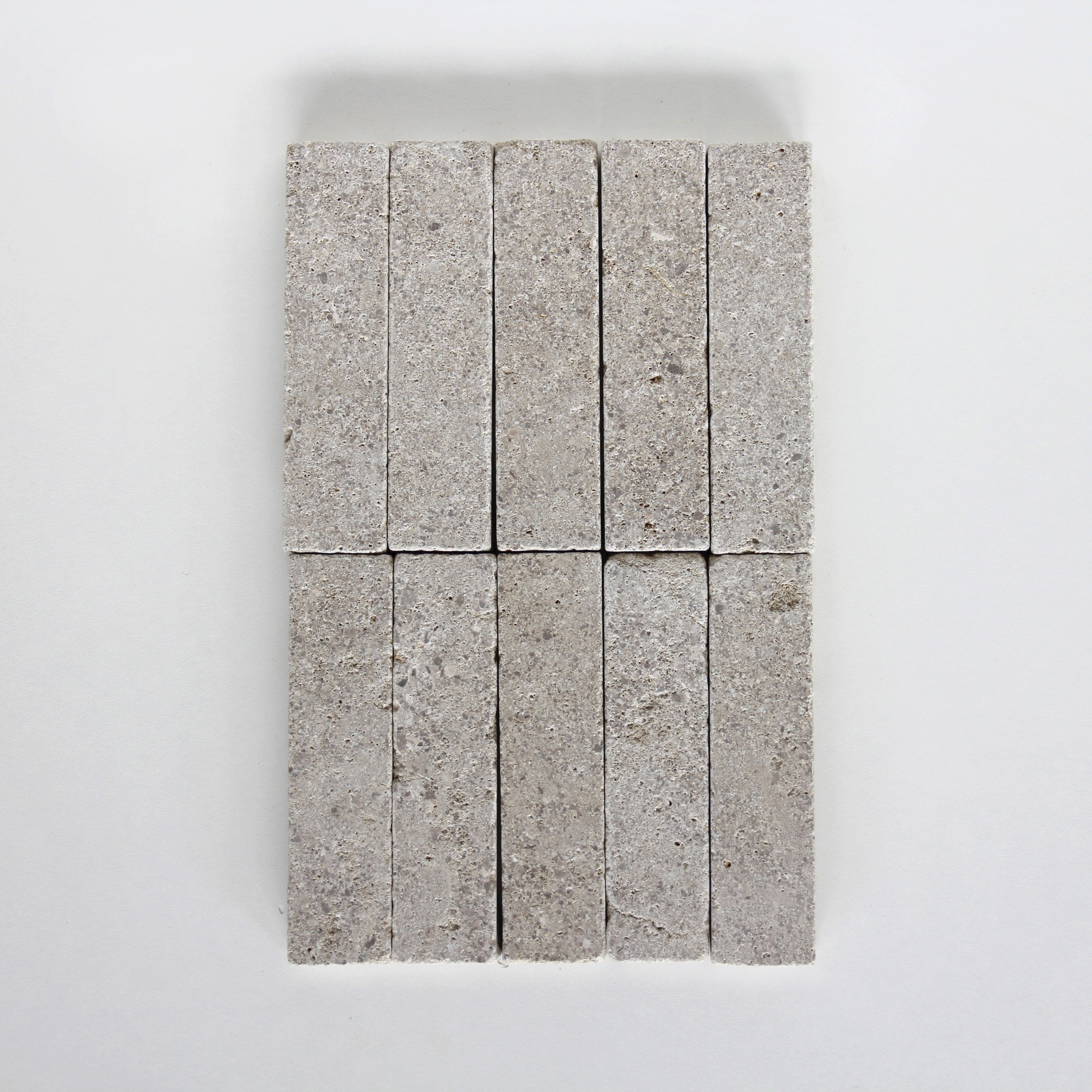
As with all natural stone tiles, variation in tone and veining is inherent and expected. Each piece of Moroccan Limestone will carry its own veining, mineral deposits, surface movement, and slight tonal shifts. This is part of the stone's authenticity and central to its appeal.
We always recommend ordering enough natural stone from the same batch to ensure visual cohesion across your installation. Please consult the specification sheets in our Resources section for a visual indication of the variation you can expect.
Please note: Meknes Limestone in particular features high levels of variation in tone, texture, and surface movement.
Will Moroccan Limestone tiles develop a patina over time?
Yes - and that is part of their value. Over time, Moroccan Limestone floor tiles develop a soft patina that deepens their character and richness. This is a natural stone that improves with age and everyday living. Properly sealed and maintained, it becomes more itself over time, not less.
Suitability & Application
Are Moroccan Limestone tiles suitable for both indoor and outdoor use?
Yes. Moroccan Limestone tiles are suitable for a wide range of indoor and outdoor applications - living spaces, kitchens, bathrooms, alfresco areas, and select exterior settings. For outdoor limestone tile use, especially in climates with freeze-thaw cycles, appropriate installation methods and sealing are essential. Always consult a qualified installer when specifying natural stone tiles for external or exposed environments.
Moroccan Limestone is also suitable for pool surrounds, water features, and submerged applications when installed correctly. Proper waterproofing, drainage, and installation practices are essential for long-term performance in these environments.
Can Moroccan Limestone tiles be used in wet areas, including bathrooms or steam showers?
Yes. Moroccan Limestone tiles can be used in wet areas including bathrooms and steam showers, provided the space is properly waterproofed and the stone is correctly sealed and maintained. In high-moisture environments, sealing and ongoing maintenance are especially important to ensure long-term performance and appearance.
Are Moroccan Limestone tiles suitable for high-traffic floors or commercial spaces?
Moroccan Limestone tiles are durable and perform well in high-traffic residential spaces when sealed and maintained correctly. For commercial stone tile applications, suitability will vary depending on foot traffic levels, expected wear, slip resistance requirements, and maintenance capabilities. A professional installer or stone consultant should be involved when specifying natural stone tiles for commercial use.
Are Moroccan Limestone tiles slip-resistant?
Slip resistance in natural stone tiles varies depending on finish and application. Tumbled limestone tiles may offer greater grip than polished alternatives, but Tiles of Ezra does not assign a standard slip rating to our tiles. For projects with specific compliance requirements - commercial spaces, ramps, or particular outdoor conditions in Australia - your installer may recommend additional treatments or alternative materials.
Samples & Ordering
Can I order samples of Moroccan Limestone tiles before purchasing?
Yes. Samples are available for most Moroccan Limestone tile colours and finishes so you can see how the tone, texture, and edge character look in your own space before committing to a full order. Seeing natural stone in your own light before purchasing is something we always encourage.
Request your Moroccan Limestone tile samples directly here.
How much overage should I order for Moroccan Limestone tiles?
For Moroccan Limestone tiles, we recommend ordering 15–20% overage above your calculated area. This accounts for cuts, curation of tiles during the blending process, and any breakage. For complex layouts or spaces with many cuts - such as bathrooms with niches or rooms with angled walls — order toward the higher percentage end.
Installation
Does it matter which way up Moroccan Limestone tiles are installed?
Yes. Moroccan Limestone tiles have a distinct face and an underside - they are not interchangeable. Before installation begins, confirm which side is face-up. The underside may carry cut marks or lines from the finishing process, which are not intended to be visible once laid.
Should I mix Moroccan Limestone tiles from different boxes during installation?
Always. Natural stone tiles vary batch to batch and even within the same box. Opening a minimum of three to four boxes and blending tiles freely across the installation ensures that any tonal shifts or variation are distributed evenly — so no single area reads lighter, darker, or different in character from the rest. This is one of the most important steps your installer can take for a natural stone tile installation, and one of the most commonly skipped.
What grout colour should I use with Moroccan Limestone tiles?
Grout colour for natural stone tiles is nearly as important a decision as the tile itself. For Moroccan Limestone tiles, we recommend selecting a grout that closely matches the tone of the stone — a neutral that sits with the material rather than against it. High-contrast grouts increase the risk of grout haze and can permanently stain the surface of natural stone. When in doubt, go tone-on-tone and let the stone speak.
How should I store Moroccan Limestone tiles before installation?
Moroccan Limestone tiles must be stored indoors in a clean, dry environment until the moment of installation. Storing natural stone tiles outside, in a shed, or anywhere exposed to damp packaging can result in staining or discolouration before a single tile is laid. Once delivered, inspect your order, photograph anything of concern, and keep the tiles inside until your installer is ready.
Can Moroccan Limestone floor tiles crack after installation?
In some cases, particularly in new construction, settling or shifting of the substrate can cause cracks to develop in natural stone floor tiles - often along grout lines. This is a substrate issue, not a product defect. Ensuring your subfloor is properly prepared, level, and - for new builds - adequately cured before tiling begins is essential. For limestone floor tile installations, subfloors should cure for a minimum of thirty days to prevent moisture-related issues.
Sealing & Care
Do Moroccan Limestone tiles need sealing?
Yes. Moroccan Limestone tiles are a porous natural stone and must be sealed to protect them from staining, etching, and moisture absorption. We recommend sealing before installation, sealing again after installation and grouting, and resealing periodically - typically every one to three years, depending on traffic and cleaning habits. Sealing products should be chosen in consultation with your installer or natural stone care specialist. Please review our Resources & Installation FAQs for more information.
How do I clean and care for Moroccan Limestone tiles?
Caring for Moroccan Limestone tiles is simple but must be gentle and consistent. Use only pH-neutral stone cleaners on natural limestone. Avoid acidic or abrasive products - vinegar, bleach, and citrus-based cleaners can permanently etch the surface of limestone tiles. Clean spills promptly, particularly oils, wine, and coffee. Maintain a regular sealing schedule to protect against absorption. With the right care, Moroccan Limestone tiles age with grace and hold their character for decades.
Efflorescence
What is efflorescence on natural stone tiles?
Efflorescence on natural stone tiles occurs when moisture moves through the substrate, drawing naturally occurring salts up from the cement below. When the water evaporates, those salts are left behind as a white, powdery residue on the surface of the stone. It can appear alarming, but efflorescence is a well-understood characteristic of natural stone tile installations - not a sign that something has gone wrong.
Can efflorescence occur on Moroccan Limestone tiles?
Yes. Efflorescence can occur on Moroccan Limestone tiles, as with all natural stone tile installations. This is not a product defect. In most cases it reduces over time as the installation dries and stabilises. Properly waterproofing the substrate prior to installation, combined with correct drainage and installation practices, can significantly minimise or prevent efflorescence on natural stone tiles altogether. Please consult with your installer for best practices specific to your project.
EXPLORE THE FULL
MOROCCAN LIMESTONE COLLECTION
Still Have Questions?
We’re here to help you navigate the details. Whether you’re exploring our ranges, comparing finishes, or seeking guidance on which tile best suits your space, our team is here to share the knowledge and confidence you need to decide.